From Idea to Launch: Steps in Successful Mobile App Development
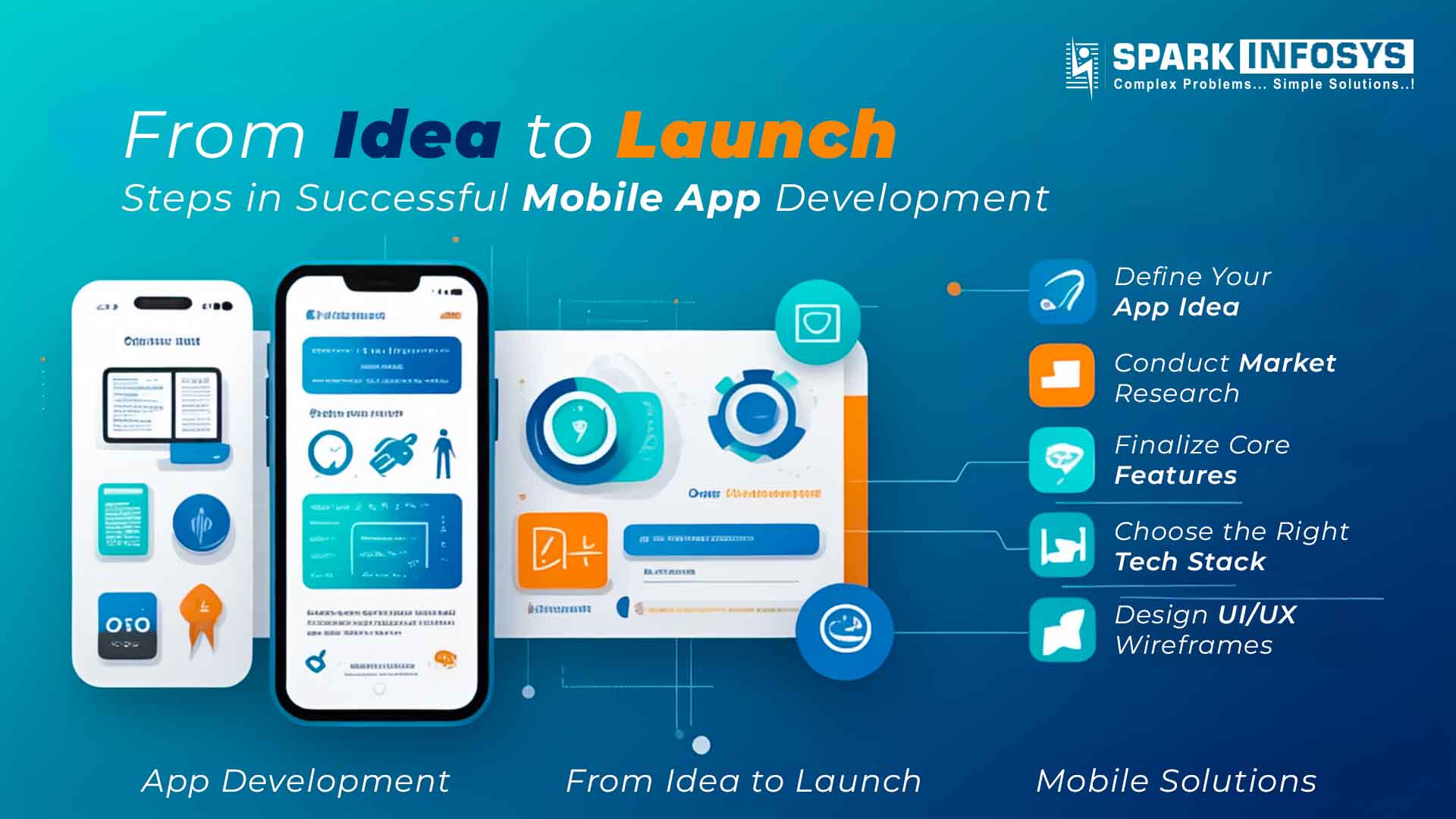
F Building a mobile app isn’t just about writing code—it’s a strategic journey that involves planning, design, testing, and long-term thinking. Whether you're a startup founder or a business owner ready to go digital, here’s a simplified step-by-step checklist to guide you through a successful mobile app development process. What problem does your app solve? Who is your target audience? Is there a clear value proposition? A strong idea begins with identifying a real-world problem and offering a mobile-based solution that users will care about. Are there similar apps already in the market? What are their strengths and weaknesses? What is your unique differentiator? Research helps validate your concept and uncover market gaps your app can fill. List out must-have features for your MVP (Minimum Viable Product) Decide what can be added in later phases Focus on usability and simplicity Don’t overload the app at launch. Start lean and build based on user feedback. Native or cross-platform (Flutter, React Native)? Backend technologies (Node.js, Laravel, Firebase)? Database and API structure? Your choice depends on budget, timeline, and future scalability. Create user flows and basic wireframes Focus on navigation, clarity, and responsiveness Ensure brand alignment (colors, fonts, tone) This is where your app starts to take visual shape. Frontend and backend development begin Set clear sprints for progress tracking Ensure regular QA testing after each module Use Agile methodology for better collaboration and flexibility. Functional testing Device & OS compatibility Performance and security checks Real-user beta testing Testing ensures a bug-free and smooth user experience before going live. Publish on Google Play Store and Apple App Store Prepare app store assets (screenshots, descriptions, keywords) Announce via social media, email marketing, and press releases A successful launch generates early traction and installs. Use analytics tools to track user behavior Read reviews and ratings Fix issues and release quick updates Post-launch improvements help you retain users and grow steadily. Add new features based on feedback Upgrade performance and security as usage grows Explore marketing partnerships and monetization models Long-term success comes from continuous enhancement. Step 1: Define Your App Idea
Step 2: Conduct Market Research
Step 3: Finalize Core Features
Step 4: Choose the Right Tech Stack
Step 5: Design UI/UX Wireframes
Step 6: Develop the App
Step 7: Test Rigorously
Step 8: Launch Strategically
Step 9: Gather Feedback & Iterate
Step 10: Plan for Scaling